October 01, 2026
There is a particular pleasure in a chair that exists for one purpose only: to be sat in with a book. Not a sofa that doubles as a laundry pile, not a dining chair that reminds you of unpaid bills. Just a corner, a lamp, and somewhere to rest your tea.
Most UK flats do not hand you a spare corner, though. A one-bedroom with a chimney breast, a lounge that is also a kitchen, a bedroom that doubles as an office — space is tight and the light is often worse. The good news is that a reading nook does not need a spare room. It needs roughly a square metre, a chair that suits your back, and a light that lands on the page rather than in your eyes.
Find the Spot Before You Buy Anything
Walk around your flat and look for the places you never use. A reading nook almost always fits into space you have already written off: the alcove beside a chimney breast, the strip of floor between a window and a wardrobe, the dead zone at the end of a hallway that is wide enough for a small chair. A bay window is the classic answer, but any spot with daylight and a wall behind your shoulders will do.
Three things to check before you commit:
- Traffic. If people have to squeeze past you to reach the bathroom or the front door, you will never settle. Avoid the main route through the room.
- Heat. Sitting against a radiator is uncomfortable, and books stored there curl and dampen. Keep half a metre of breathing room if you can.
- Power. Is there a socket within reach of where a lamp would sit? If not, decide now whether you will run an extension lead, use a rechargeable lamp, or shift the whole plan.
Choose a Chair That Earns Its Space
An armchair is the heart of the nook, so measure the gap before you fall in love with anything online. Note the width across the arms, the depth of the seat, and how far the back leans — a recliner that needs clearance behind it is rarely the right answer in a tight flat. Choose the seat that fits and then adjust your reading posture, not the other way around.
Small-scale options worth knowing: a slipper chair, a tub chair, a compact wingback, or a narrow occasional chair with a low back. Armless designs save precious centimetres but offer less support for a long afternoon with a novel, so if you read for hours, prioritise a chair with armrests you can rest your elbows on. Seat height matters too — your feet should reach the floor, or a footstool should take up the slack.
Second-hand is your friend here. Charity shops, local selling pages and house clearances turn up well-built small armchairs for a fraction of new prices. Check the frame for wobble and give upholstery a proper sniff before you commit.
Light the Page, Not the Room
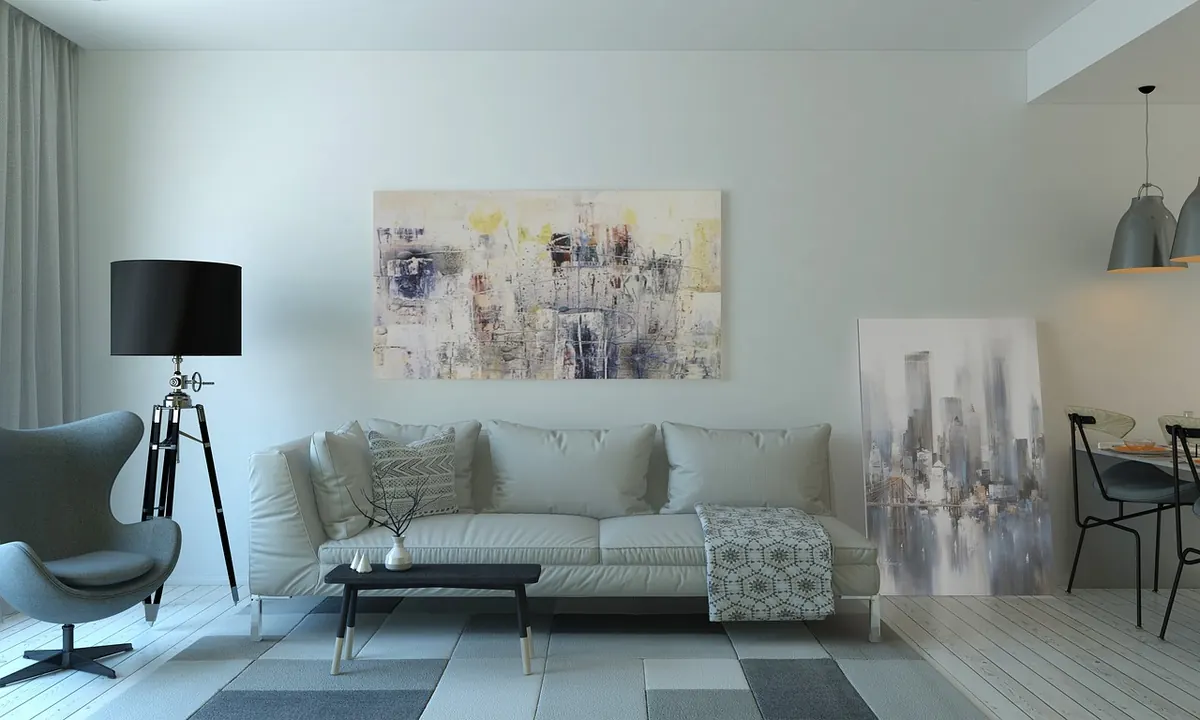
Overhead lighting is for cleaning, not reading. What you want is a pool of light that falls over your shoulder and onto the book, with the shade positioned so you cannot see the bulb itself. A floor lamp standing just behind and to the side of the chair usually works better than a table lamp, because it takes up no surface space.
Look for a lamp with an adjustable neck or a shade you can tilt, and fit a warm white bulb rather than a harsh cool one — it is easier on tired eyes in the evening. Keep the lamp head at roughly shoulder height, angled down at about 45 degrees. If your only socket is on the wrong wall, a rechargeable table lamp or a slim extension lead tucked behind the chair solves it neatly.
If you read on a screen
Turn the brightness down to match the room and add the lamp anyway. A lit corner makes a screen feel less like a bus shelter advert.
One Shelf Is Enough
You do not need a library. You need somewhere to put down the book you are reading and a few companions within arm's reach. A single floating shelf above the chair, or a slim box shelf on the wall beside it, holds four or five paperbacks, a mug and a small plant without crowding the floor.
If you cannot or would rather not drill, freestanding options work just as well: a narrow ladder shelf, a stack of books used as a side table, a woven basket for magazines, or a small stool with a tray on top. The test is simple — can you reach everything without standing up?
Layer Up the Comfort
Comfort in a British flat is mostly about warmth. Two or three layers do more for a corner than any amount of styling: a throw over the back of the chair for cold evenings, one cushion behind your lower back, and a rug or sheepskin underfoot so your feet are not on bare boards.
A footstool is the single best upgrade if you read for long stretches, and it doubles as extra seating when someone visits. Keep a basket or lidded box nearby for the throw when you are not using it, so the corner stays tidy rather than becoming another dumping ground. A draught excluder at the nearest door makes more difference than you would expect.
Small-Flat Realities
If you rent, check your tenancy agreement before fixing anything to a wall, and ask your landlord or letting agent if you are unsure — removable adhesive hooks are not always as removable as the packaging claims. Free-standing furniture and leaning shelves avoid the question entirely.
If you share the flat, choose a spot that does not block someone else's route to the kitchen, and keep the chair light enough to shift when you need the space back. In studios and open-plan rooms, a rug and a lamp are enough to mark out the corner as a different kind of place. You do not need a partition to signal that this bit is for reading.
A Weekend Plan You Can Actually Finish
- Pick the corner and sit on the floor in it with a book for ten minutes. Is the light decent? Is the draught bearable?
- Measure the footprint and note where the nearest socket is.
- Find the chair — borrow one from another room first to test the size before buying anything.
- Add the lamp and check the light falls on the page, not in your eyes.
- Finish with the throw, cushion and shelf, then spend an evening using it. Adjust whatever annoys you.
Make It the Easiest Seat to Reach
A reading nook only works if you actually use it, and you will only use it if nothing is in the way. Keep the chair clear of bags, coats and drying laundry, and keep the book you are reading on the shelf rather than upstairs. A corner that takes thirty seconds to settle into will be used; one that needs tidying first will not.
Start small. A chair, a lamp, one shelf. Everything else can be added later, once you know how you actually sit, read and reach for your tea in that particular spot.
Photo: Pexels / Pixabay