October 07, 2026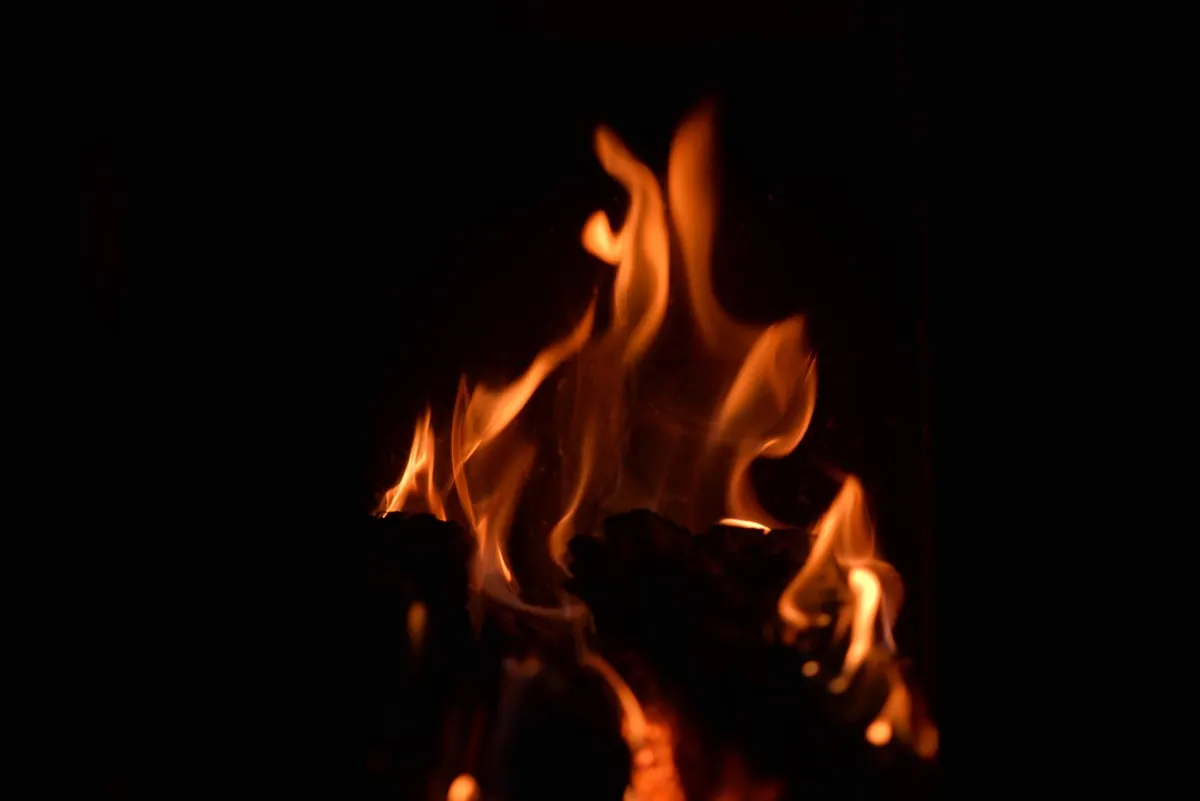
There is a particular kind of evening that begins with a few sticks of kindling and ends with a dog asleep in front of the grate. A real fire rewards a little knowledge. Lay it badly and you get smoke curling into the room, a sulking flame and a chimney quietly filling with tar. Lay it well and the whole room changes character.
What follows applies to open fires and to wood-burning stoves, though stoves need a slightly different touch with the air controls. Either way, the principles are the same: dry fuel, plenty of air at the start, and a flue that is clear and warm.
Before You Strike a Match
Start with the room rather than the fire. Clear the hearth of anything that could catch — a rug edge, a basket of logs, a draught excluder pushed too close. If there are children or pets about, a fireguard is not optional. And keep an eye on soft furnishings nearby; a spark can travel further than you expect when a log shifts.
Check that the flue is drawing. On a cold morning, hold a lit taper near the opening of an open fire or just under the stove baffle: if the flame and smoke are pulled upwards, you are in business. If the smoke hangs or drifts back, the chimney is cold or blocked, and lighting a fire will only fill the room with smoke. A quick fix for a cold flue is to warm it first with a rolled sheet of newspaper held up towards the throat of the chimney — carefully, and never left unattended.
Make sure there is ventilation. Open fires and stoves need air to replace what goes up the chimney. Do not block air bricks or trickle vents, and if a stove has been fitted in a sealed room, it should have its own permanent air supply. Fit a carbon monoxide alarm in the same room as any solid fuel appliance and test it regularly.
Laying the Fire Properly
An open fire wants air from below, so keep the grate clear and the ash layer thin — a thick bed smothers the first flames. A stove is the opposite: it works best with a bed of ash roughly a centimetre or two deep, which insulates the base and helps the fuel burn evenly. Rake last night's ash flat rather than emptying it all out.
Build in layers, smallest at the bottom:
- Two or three firelighters, or scrunched newspaper, in the middle of the grate.
- A handful of kindling — dry sticks about finger thickness — laid criss-cross so air can move through them.
- One or two small logs on top, or beside the kindling for a stove, leaving gaps rather than packing them tight.
Resist the urge to build a towering pile. A small fire that takes hold quickly is easier to grow than a big one that never quite catches.
Lighting It Without Drama
The top-down method
For stoves especially, try lighting from the top. Put the larger logs at the bottom, kindling above them, and the firelighter on top. The flames burn downwards through the pile, warming the flue from the start and producing far less smoke while the fire establishes itself. It looks wrong the first time. It works.
Light the firelighter, then leave the stove door slightly ajar for a minute or two with the air control fully open. You will hear the draw change as the flue warms. Once the kindling is well alight, add a couple of slightly larger pieces, then close the door and reduce the air gradually. Closing the air too early is the most common reason a fire dies with a room full of smoke.
What never to use
Petrol, paraffin, methylated spirits, barbecue lighter fluid and anything in an aerosol have no place near a fire, indoors or out. They flare unpredictably and the flame can travel back up the container. Firelighters, dry kindling and a little patience are genuinely all you need.
Never leave a fire burning unattended, and never go to bed with a stove still roaring. If you want warmth in the morning, it is safer to relight than to shut everything down and hope.
Choosing and Storing Logs
Dry wood is the single biggest difference between a clean burn and a smoky one. Aim for logs with a moisture content under about twenty per cent — you can buy an inexpensive moisture meter and test a freshly split log by pressing the pins into the grain. Wet wood wastes most of its heat driving off water, and the residue it leaves in the flue is what chimney fires are made of.
Hardwoods such as ash, oak, beech, birch and hawthorn give a long, steady burn. Softwoods light easily and burn hot and fast, which makes them useful kindling but greedy as a main fuel. Ash is the traditional favourite because it seasons quickly; oak can take two years or more.
Season your own wood under cover but open to the wind, off the ground on a pallet, split so the air can get at it. Stack it loosely rather than in a tight wall. And keep this list well away from the grate: treated or painted timber, old pallets unless you know they are untreated, household rubbish, plastic, glossy magazines and driftwood, which burns with a salty, corrosive smoke.
Ash: How Much to Leave, How to Remove It
Empty an open fire when the ash starts to block the grate; leave a little in a stove as a base. Scoop it into a metal container with a lid — never a plastic bucket or a bin bag — and take it outside straight away. Ash can hold heat for a surprisingly long time, so leave the closed container on a stone or concrete surface for a day or two before disposing of it. A modest amount of wood ash can go on the garden, though it is alkaline, so keep it away from acid-loving plants such as rhododendrons and blueberries.
Chimney, Flue and the Annual Service
Every working chimney needs sweeping, even if you only light a fire at weekends. Once a year is the usual baseline; if you burn a lot of softwood, or use the fire most evenings through the winter, twice is wiser. A sweep will also check the pot, the cowl, the bird guard and the condition of the flue, and can spot cracked render or a failed seal before it becomes a problem.
Stoves need a little more: door rope and glass seals checked, fire cement renewed where it has crumbled, baffle plates cleared of ash, and the flue inspected for tar. If you are in a Smoke Control Area, you may only burn authorised fuels or use an exempt appliance, so check with your local council before you buy. For installation, servicing or anything involving the structure of the chimney, use a registered solid fuel installer or sweep rather than improvising.
Keeping the Fire Running Well
A good fire is a steady one. Feed it little and often, keep the flames lively rather than slumbering, and let the stove run hot enough to burn off its own deposits instead of damping it down overnight. Wood that hisses and bubbles is too wet; wood that burns with a bright, quiet flame and leaves pale grey ash is doing exactly what it should.
Spend ten minutes at the start of the season checking alarms, sweeping the chimney and testing a log with a moisture meter, and the rest of the winter looks after itself — a warm room, a clear flue and a fire you can leave for a moment without watching it. If you are ever unsure about the safety of a chimney or appliance, stop using it and get a professional opinion.
Photo: anaghaz / Pixabay