September 23, 2026
A fireplace earns its place in a home in a way few other features do. It gives a room a focal point, takes the chill off a spring evening, and makes an ordinary Tuesday feel slightly better. But "fireplace" covers three very different propositions — electric, gas and wood — and choosing badly means either an installation you never use or one that never quite delivers. The useful way to compare them is not by looks. It is by installation, running costs, efficiency, planning rules and the maintenance you are prepared to take on.
How each type actually heats a room
Electric. Two categories sit under this heading, and confusing them is the most common mistake. A flame-effect-only fire is decorative: it produces a moving image of flames and little else. A heater-plus-flame model adds a fan heater, infrared element or similar, usually with a couple of heat settings. At the point of use, almost all the electricity it draws becomes heat in the room.
Gas. Mains gas fires come in open-fronted and glass-fronted designs. Open-fronted models are charming and inefficient, because a good share of the heat disappears up the flue with the exhaust gases. Balanced-flue and glass-fronted models recover far more of that heat, and a balanced flue vents horizontally through an external wall, so it does not need a chimney at all.
Wood. A stove or open fire burns logs and releases heat mostly as radiant warmth, which is why it feels so good when you are sitting in front of it and less impressive two rooms away. It needs a chimney or a flue, and it needs a supply of genuinely dry fuel to perform well.
Installation: what is really involved
Electric
The simplest option by a wide margin. A freestanding or wall-mounted electric fire typically plugs into a standard socket. If you want a higher-output model, an inset design, or a fire in a room with an already busy circuit, an electrician may need to run a dedicated supply. Otherwise there is no flue, no gas pipe and no chimney work.
One detail people forget: if you remove an old fire and want to seal off a chimney breast, the disused flue still needs ventilation. Blocking it completely can trap damp, which will show up as stains on the wall months later.
Gas
Installation must be done by a Gas Safe registered engineer. The main question is where the flue goes: into an existing chimney, or through an external wall as a balanced flue. If gas has never reached that room, the pipe run becomes the biggest part of the job.
Wood
This is the most involved route. The chimney needs to be sound, the right size for the appliance, and often lined. You will need a suitable hearth and correct clearance from anything combustible nearby. A HETAS-registered installer can survey and fit the appliance and will usually handle the notification to building control. If the chimney has not been swept recently, book a sweep before anything is ordered.
Running costs and efficiency
Ignore the purchase price for a moment and think in pence per kilowatt-hour of heat delivered. Electricity usually carries the highest unit price of the three, so an electric fire is rarely the cheapest way to heat a whole room for hours — though it is superb for short bursts, and it heats only the room you are in.
Mains gas is generally cheaper per unit, and a modern glass-fronted gas fire makes good use of it. An old open-fronted gas fire wastes much of what you pay for. Wood can be the least expensive option if you have a reliable local supplier and a dry store, but damp logs are a false economy: water has to be boiled off before the wood gives you any heat, and it sends up smoke instead of warmth.
- Electric: cheap to install, expensive per hour to run, instant heat, no flue.
- Gas: moderate installation, lower unit cost, efficiency depends heavily on the model.
- Wood: highest installation cost, fuel cost varies widely, best heat-per-log comes from a modern stove and dry fuel.
Planning rules you need to check
Solid fuel is the type most likely to involve paperwork. Large parts of many UK towns and cities are smoke control areas, where you may only burn authorised fuels or use an exempt appliance. Your local council publishes a map and can confirm your address — worth checking before you fall in love with a stove.
In England and Wales, Approved Document J covers hearths, flues and ventilation for solid fuel and gas appliances, and installing a solid fuel appliance normally requires notification to building control unless it is done by a registered competent person. Gas work must be carried out by someone on the Gas Safe register. Electrical work is generally straightforward but a new circuit falls under Part P.
If you live in a listed building, a flat, or a leasehold property, check before you drill anything. Listed building consent may be needed for a new flue or an external terminal, and a lease can restrict external alterations. Rules differ across the UK, so confirm the current position with your local authority or a registered installer rather than relying on a forum post.
Maintenance and daily life
An electric fire asks almost nothing: a wipe down, a check that the plug and cable are sound, and a new battery in the remote now and then.
A gas fire should be serviced annually by a Gas Safe registered engineer. Whatever type of combustion appliance you have, a carbon monoxide alarm in the same room is a sensible, inexpensive precaution.
Wood demands the most attention. Sweep the chimney at least once a year, and more often if you burn regularly. Empty ash before it builds up and blocks the grate. Burn seasoned wood with a moisture content under about 20 per cent, look for the Ready to Burn mark, and never burn painted or treated timber, driftwood or household waste.
A practical way to decide
Start with what you actually want. If it is atmosphere, quick warmth and zero fuss, an electric fire in the right surround will do the job for years. If you want real flames and low running costs and you already have a gas supply, a glass-fronted gas fire is the natural fit. If you want the ritual — stacking logs, the smell, the radiant heat — and you are willing to sweep a chimney and store fuel, a stove rewards that effort.
Then do three things before committing: check whether your home is in a smoke control area, get quotes from registered installers who have seen the actual room, and ask each one to estimate running cost per hour at current fuel prices. That last question separates a fireplace you love from one you resent every time you switch it on.
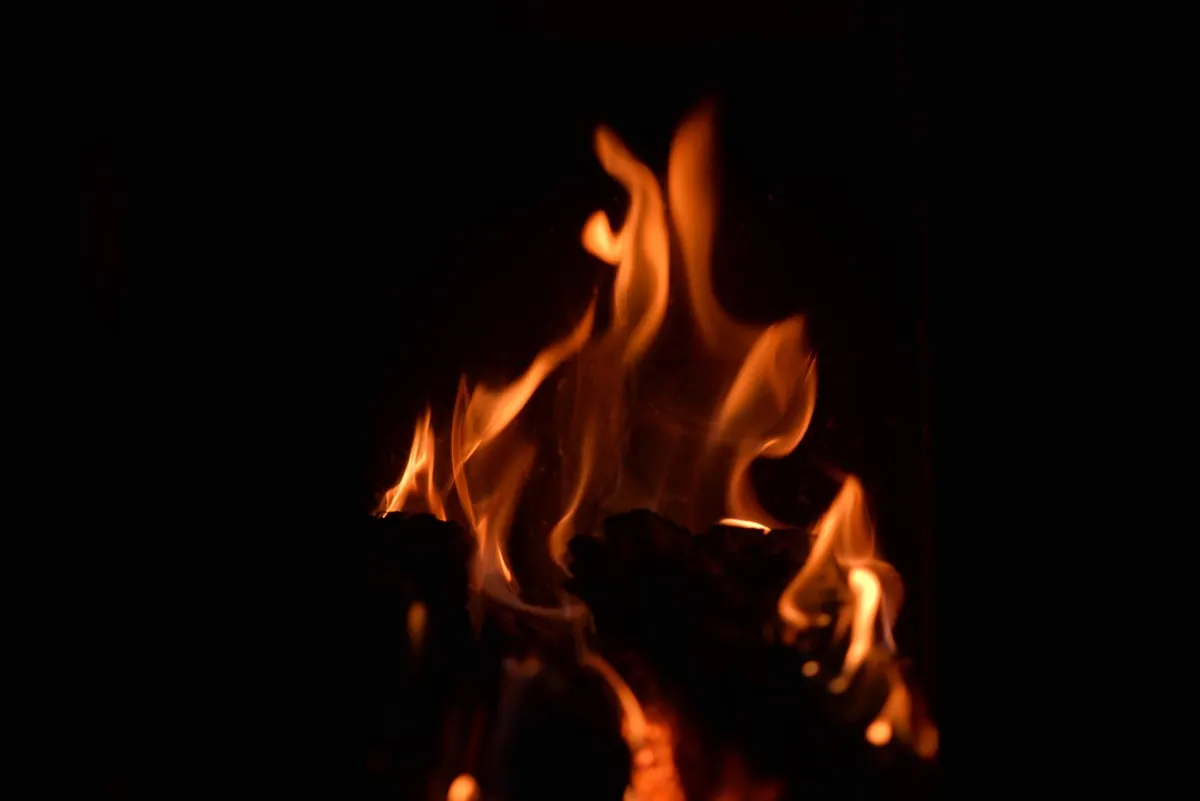
Photo: JillWellington / Pixabay